Deutsch
 Türkçe

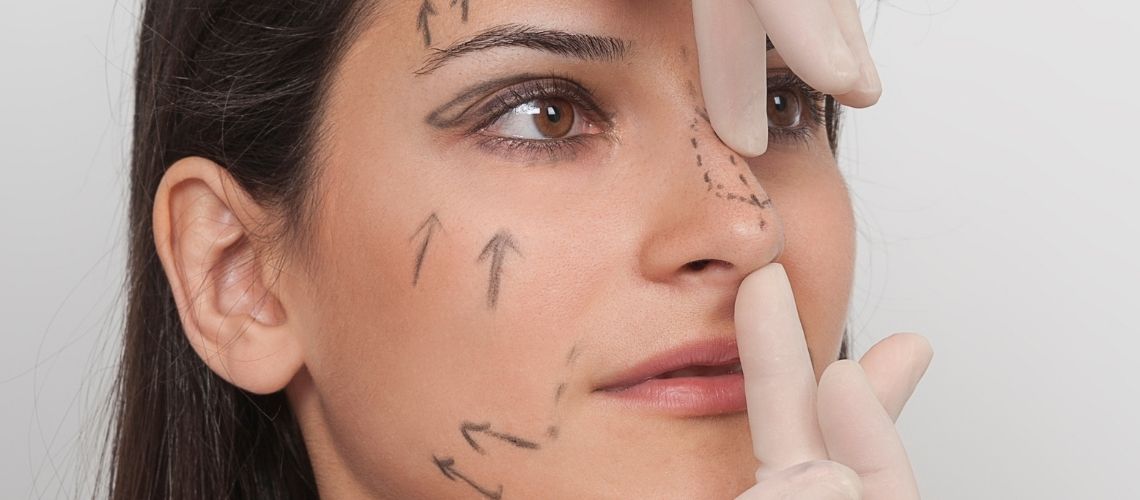
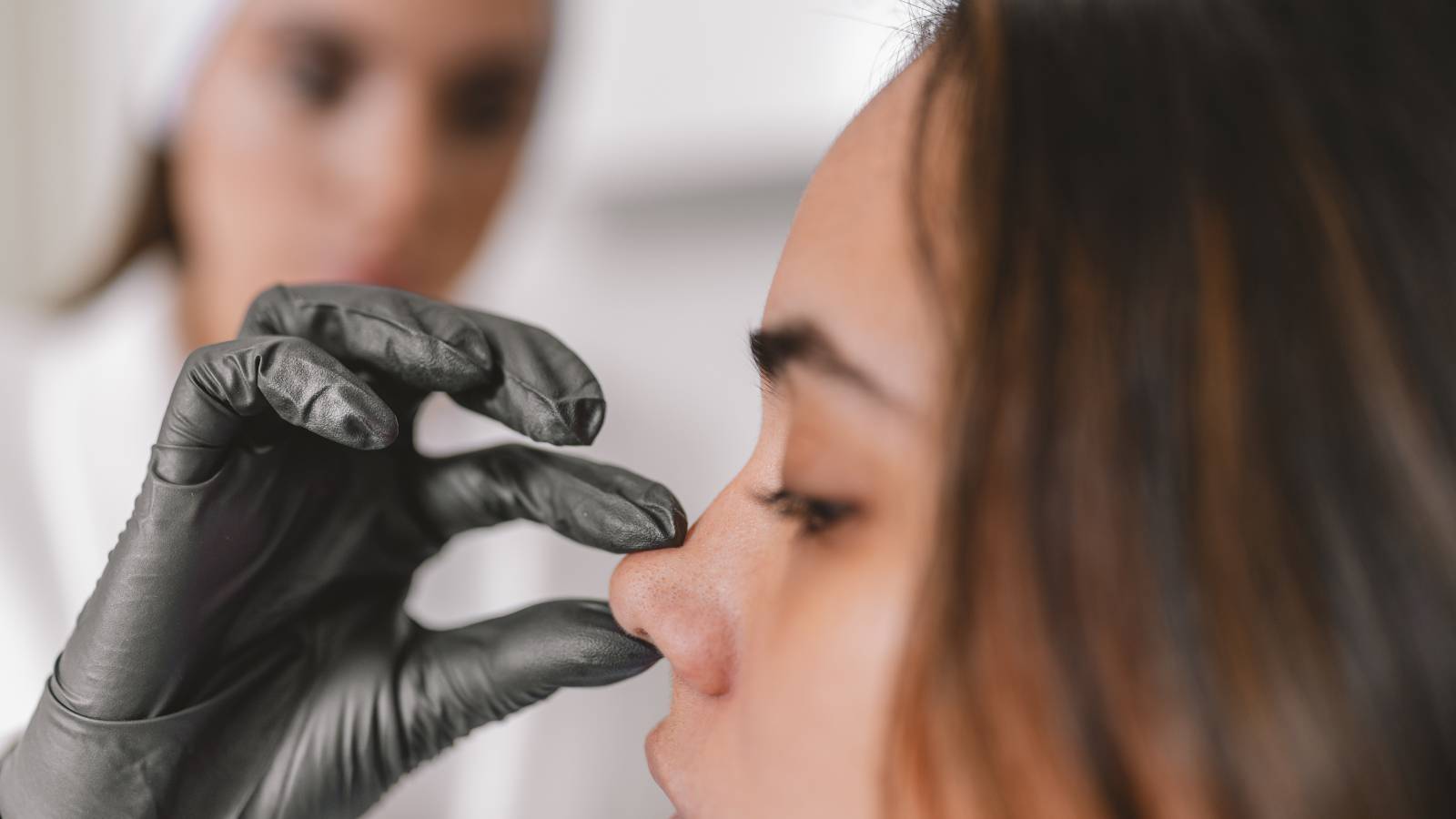
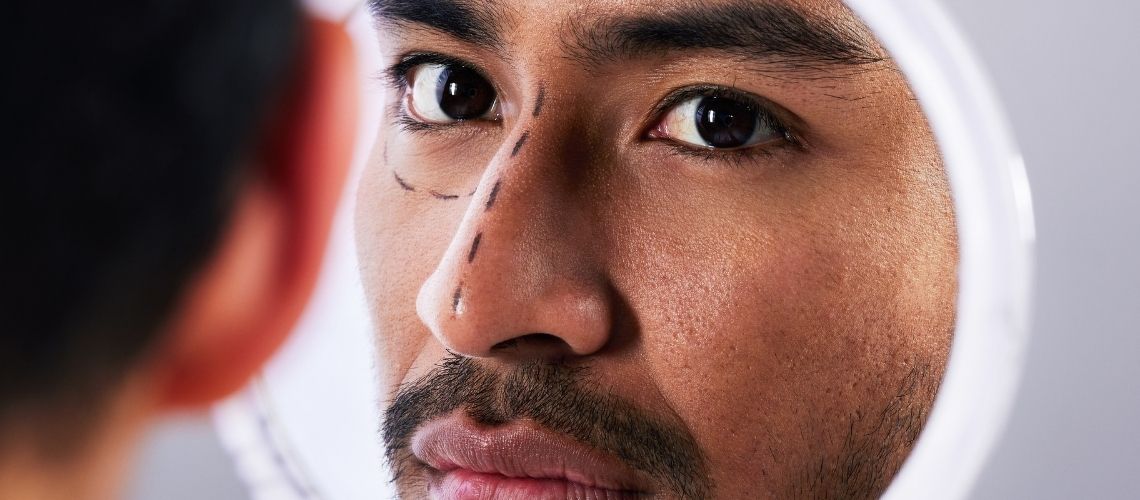
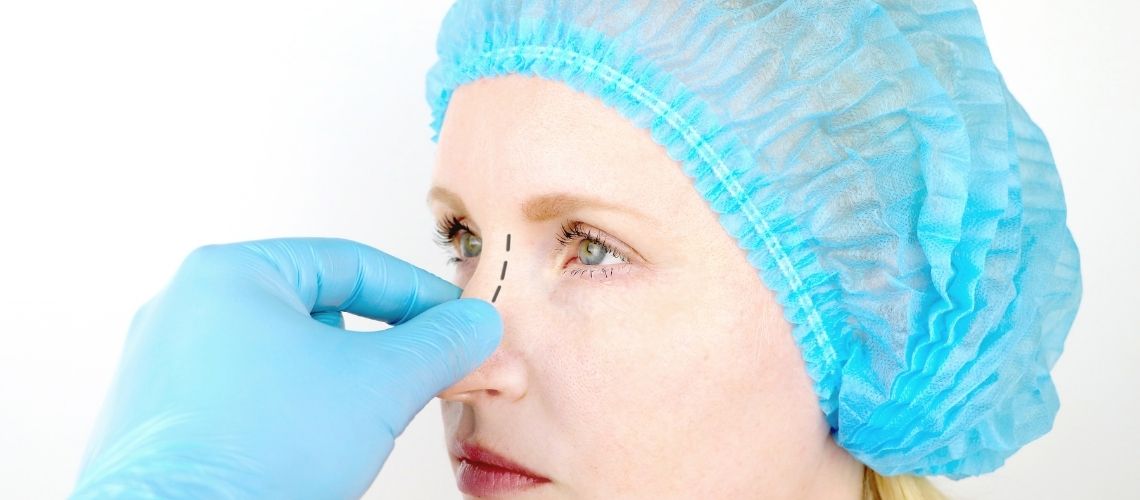
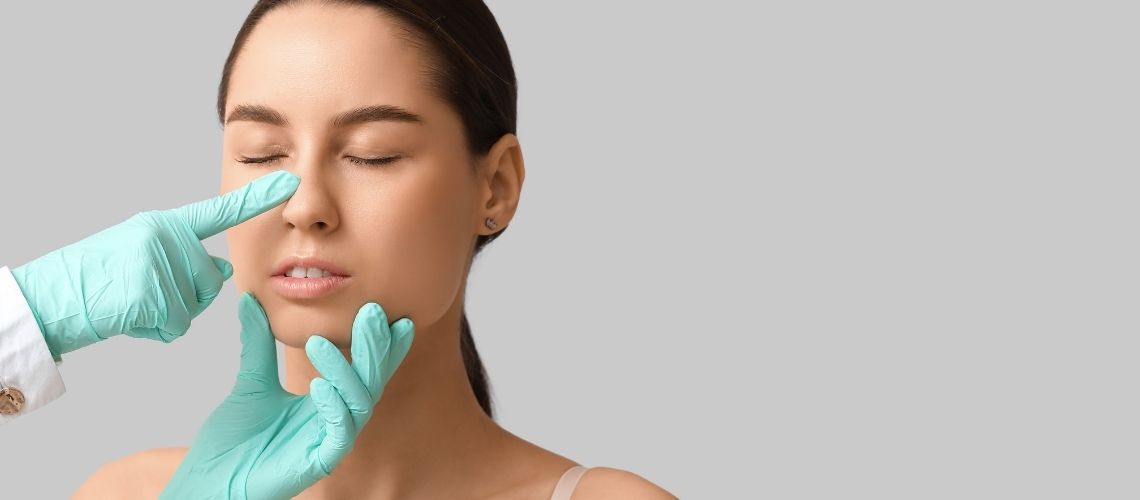
Nose tip lift aesthetics is a surgical procedure designed to refine and elevate the nasal tip. It aims to achieve better facial harmony while maintaining natural proportions and nasal function.
The procedure involves reshaping the nasal cartilage through small incisions, often performed under local or general anesthesia. Recovery is generally faster compared to full rhinoplasty.
This technique is suitable for patients with drooping or bulbous nasal tips who seek a more defined appearance without altering the nasal bridge.
Results are long-lasting, and when performed by an experienced surgeon, the operation provides both aesthetic improvement and functional preservation.
| Definition | Nose tip lift aesthetics is a cosmetic procedure that raises and reshapes the nasal tip without significantly changing the nasal bridge. |
| Purpose | Improves tip projection, rotation, and overall facial harmony. |
| Suitable Candidates | Individuals with a drooping, rounded, or under-projected nasal tip and realistic expectations. |
| Procedure | Can be performed using surgical rhinoplasty techniques or selected minimally invasive methods, depending on the case. |
| Benefits | Creates a more refined nasal tip, enhances facial balance, and may improve the side profile. |
| Recovery | Mild swelling and bruising are common, with most swelling gradually improving over several weeks to months. |
| Results | Initial changes are visible after swelling subsides, while final results typically develop over several months. |
| Risks | Possible risks include swelling, infection, asymmetry, scarring, or the need for revision surgery. |
What Is Nasal Tip Aesthetics (Tipplasti)?
Nasal tip aesthetics (tipplasti) has undergone a long evolutionary process with the development of surgical techniques. At the end of the 19th century, the German surgeon Jacques Joseph discovered a method of shaping the nose from inside, and this approach laid the foundation of modern Rhinoplasty techniques. In particular, these techniques, which offer both aesthetic and functional benefits, became standard practices in the 20th century. Over time, tipplasti became more refined and individualized, enabling patients to achieve natural and balanced results. Medical devices and materials used in surgical procedures have been regulated by the FDA; with the approval of medical silicone in the 1960s, non-invasive methods also gained popularity. During this period, applications such as fillers were developed as an alternative option to shape the nasal tip. Today, tipplasti has become a reliable and successful procedure in which surgeons blend aesthetic and functional outcomes, continuing to advance through technology and medical innovation.
Who Is Nasal Tip Aesthetics (Tipplasti) Suitable For?
Nasal tip aesthetics (tipplasti) is an ideal option for individuals who want to correct deformities in the nasal tip and achieve a more harmonious appearance with the face. A nasal tip that appears overly large, wide, boxy, or lacking in projection can be aesthetically distressing. Additionally, a downward-pointing nasal tip (droopy tip), noticeable asymmetry, or curvatures are common issues that often require tipplasti.
This procedure is especially suitable for patients who do not have significant issues with the nasal bone or who only have minimal problems. Since tipplasti focuses on the cartilage structures and connective tissues in the nasal tip area, different approaches may be necessary for patients who require a noticeable change in the nasal dorsum. However, if reshaping solely the nasal tip without touching the nasal dorsum is desired, tipplasti is highly effective.
Candidates include those who wish to balance their facial proportions, especially if they feel the nasal tip is disproportionate to other parts of the face. Patients experiencing breathing difficulties or functional disorders due to insufficient nasal tip support may also benefit from tipplasti. A detailed examination of the patient’s aesthetic expectations and existing nasal structure is conducted to create a personalized treatment plan.
Who Is Nasal Tip Aesthetics (Tipplasti) Not Suitable For?
Nasal tip aesthetics (tipplasti) may not be appropriate for every individual. Before the operation, the patient’s overall health, nasal structure, and expectations must be carefully evaluated. Certain conditions can specifically preclude the suitability of surgical intervention.
Active nasal infections can adversely affect the operation process and healing; therefore, surgery should not be performed until the infection has completely resolved. In patients with severe nasal septum deviation, intervention only at the nasal tip is insufficient, and a more comprehensive Rhinoplasty is required. Likewise, inadequate nasal tip support and thick nasal skin can lead to aesthetic results differing from what was expected, necessitating detailed evaluation and alternative planning.
Patients who may not be satisfied with a surgical intervention should also be identified with care. In particular, individuals with psychological conditions such as body dysmorphic disorder should undergo psychological evaluation before surgery. Unrealistic aesthetic expectations can lead to patient dissatisfaction.
Uncontrolled diabetes and hypertension increase surgical risks and prolong the recovery process. Similarly, in patients with bleeding disorders, the safety of the operation may be jeopardized. In individuals who have previously undergone Rhinoplasty, the procedure becomes more complex due to anatomical changes.
Finally, age is an important factor. Nasal development may not be complete in individuals under 18, while reduced skin elasticity in older patients can affect the outcome.
How Is Nasal Tip Aesthetics (Tipplasti) Performed?
Nasal tip aesthetics, or tipplasti, is a precise surgical procedure performed to achieve a more aesthetic and balanced nasal structure. Before surgery, the patient’s nasal anatomy and skin thickness are thoroughly evaluated, and a personalized plan is made in line with expectations. During the procedure, either an open or closed technique is chosen. The open technique involves a small incision on the underside of the nasal tip, allowing better visualization of internal nasal structures and is ideal for complex cases. In the closed technique, there is no visible external scar, the recovery process is faster, and swelling is less.
Suture techniques play a significant role in shaping the nasal tip. With methods like the “cephalic dome suture,” surface structures in the nasal tip are adjusted, while techniques such as the “neo-interdomal ligament suture” provide support and maintain projection. When cartilage support is required, methods like the “columellar strut graft” and the “septal extension graft” are used to give the nasal tip long-term stability.
In some patients, improvements must be made simultaneously to the tip’s rotation, projection, and symmetry. In these cases, combined methods like Concomitant Overlap Steal Tip-plasti (COST) come into play. Nasal cartilages are meticulously repositioned to achieve a natural, strong, and symmetrical appearance. These techniques are chosen and applied according to the surgeon’s experience and the patient’s anatomy. With proper planning and execution, tipplasti provides satisfying results both aesthetically and functionally.
What Are the Side Effects of Nasal Tip Aesthetics (Tipplasti)?
Nasal tip aesthetics (tipplasti) offers aesthetic and functional benefits but, like any surgical procedure, carries certain risks of side effects and complications. The most common postoperative issues include swelling, bruising, and mild discomfort. These effects generally subside within a few weeks. Numbness in the nasal tip is also frequently observed and usually resolves within 2–3 months.
After surgery, patients may experience nasal congestion, crusting, and, rarely, bleeding. These problems typically return to normal within about two months with proper nasal care. Although rare, an infection can develop and prolong the healing process. Bleeding or hematoma formation may require additional intervention. Some patients may experience symmetry problems, which can arise from variations in how tissues heal post-surgery.
Excessive or insufficient tissue removal during surgery can result in a “pinched” appearance of the nasal tip or a polly beak deformity. Structural issues such as septal perforation (a hole in the septum), breathing difficulties, and collapse of the nasal tip can also occur. In rare cases, sutures may come out, or necrosis may develop in the nasal alar regions.
Allergic reactions to anesthesia, scarring, or failure to meet aesthetic expectations can lead to dissatisfaction in some patients.
How Successful Is Nasal Tip Aesthetics (Tipplasti)?
Nasal tip aesthetics, or tipplasti, is known for its high success rates and is highly effective in meeting patients’ aesthetic expectations. Deformities in the nasal tip, asymmetry, or projection issues can be corrected very successfully when the appropriate techniques are used. By reshaping the cartilage structures and reinforcing them with suturing techniques, natural and lasting results can be achieved. Graft applications or tissue transfers offer additional solutions in more complex cases. The success rate varies based on factors such as the surgeon’s experience, the method used, and the individual’s anatomical characteristics. In many centers in Turkey, patient satisfaction rates of over 90% are reported for tipplasti procedures. However, every individual’s recovery process and outcomes differ; therefore, clarifying expectations and detailed planning with the surgeon are critically important. When performed by an experienced surgeon, nasal tip aesthetics provides natural, balanced, and satisfying results in facial aesthetics.
How to Prepare for Nasal Tip Aesthetics (Tipplasti)?
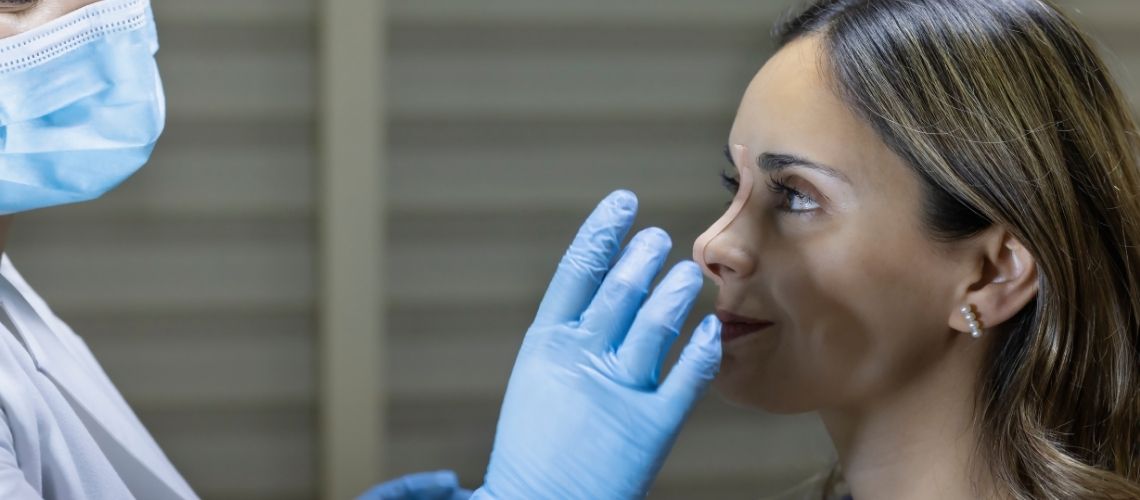
Preparation for nasal tip aesthetics significantly impacts the success of the operation. This phase not only facilitates the planning of the surgical procedure but also ensures a faster and smoother recovery period. First, the anatomical features of the nasal tip are carefully analyzed. During this analysis, the symmetry, projection, and underlying cartilage relationships are assessed. Additionally, the thickness and elasticity of the skin are examined, as skin type affects the visibility of the surgical outcome and the recovery time.
It is as important for the patient’s expectations to remain realistic as it is to perform a thorough preoperative examination. Therefore, the patient must be comprehensively informed about possible risks and outcomes. Potential complications such as asymmetry, infection, or sensory changes should be explained, and the consent process must be completed meticulously. Meanwhile, standard photographs taken from different angles before the operation are reviewed as part of the surgical plan.
To promote healthy recovery, smoking should be discontinued at least four weeks before surgery, and a balanced diet should be adopted. During surgical planning, a nasal endoscopy may be performed to examine the septum and nasal turbinates in detail; any obstructions identified can be addressed. Before the operation, necessary blood tests and general health examinations confirm the patient’s fitness for surgery.
How Should Postoperative Care Be After Nasal Tip Aesthetics (Tipplasti)?
Postoperative care after nasal tip aesthetics is extremely important for speeding up recovery and achieving the desired aesthetic outcome. In the first few days after surgery, keeping your head elevated helps reduce swelling and bruising. Using more pillows and lying on your back as much as possible supports this process. Applying cold compresses regularly during the first 48 hours helps control edema. It is very important not to put pressure on the splint or tampons placed inside the nose; otherwise, distortions in the nasal structure may occur.
Avoid strenuous exercise for at least two weeks and refrain from activities requiring excessive effort. Also, be careful not to expose yourself directly to sunlight during the recovery period. When going outdoors, wearing a wide-brimmed hat and using sunscreen with at least SPF 15 will protect your skin. You can use the saline nasal spray recommended by your doctor to keep the nasal passages clean and moist.
Take painkillers and antibiotics as prescribed to reduce the risk of infection and control pain. Be gentle when brushing your teeth, and avoid putting pressure on your nose. Absolutely avoid blowing your nose; this can damage the surgical site. If you smoke, it is advisable to quit, as it can negatively affect the healing process. Be sure to attend the follow-up appointments scheduled by your doctor to monitor your recovery.
Frequently Asked Questions
Nose tip lift aesthetics: who is a good candidate for this cosmetic procedure?
Nose tip lift aesthetics: how does this procedure differ from full rhinoplasty?
Nose tip lift aesthetics: can the procedure improve facial harmony without changing the entire nose?
Nose tip lift aesthetics: what surgical techniques are commonly used to elevate the nasal tip?
Nose tip lift aesthetics: how long does recovery usually take after surgery?
Nose tip lift aesthetics: will the results look natural after healing?
Nose tip lift aesthetics: can this procedure improve nasal breathing as well as appearance?
Nose tip lift aesthetics: what factors influence the final cosmetic outcome?
Nose tip lift aesthetics: are the results permanent or can the tip droop again over time?
Nose tip lift aesthetics: what should patients discuss during the consultation?

Born in 1975 in Kardzhali, Op. Dr. Alev Camcıoğlu completed his primary and secondary education at Saint Michel French High School and graduated from Kocaeli University Faculty of Medicine in 2001. He completed his specialty training in Otorhinolaryngology and Head & Neck Surgery at the same university, earning the title of ENT specialist in 2008. After his compulsory service and military duty, he enhanced his clinical experience at Istanbul Hospital and Nişantaşı Hospitals.
Since 2016, he has been providing aesthetic and functional nasal surgery services at his private clinic in Istanbul. He specializes particularly in rhinoplasty, revision rhinoplasty, piezo (ultrasonic) rhinoplasty, tipplasty, and septorhinoplasty. His surgical planning combines natural appearance, functional balance, and facial harmony.
Dr. Camcıoğlu carefully analyzes each patient’s facial proportions, skin structure, and breathing functions to perform natural, functional, and aesthetically balanced nasal surgeries. He prefers minimally invasive techniques using modern piezo technology. As a member of the Turkish ENT–HNS Society, Turkish Rhinology Society and the European Rhinologic Society (ERS), Dr. Alev Camcıoğlu is recognized as a trusted name in rhinoplasty in Türkiye thanks to his scientific and patient-centered approach.