Deutsch
 Türkçe

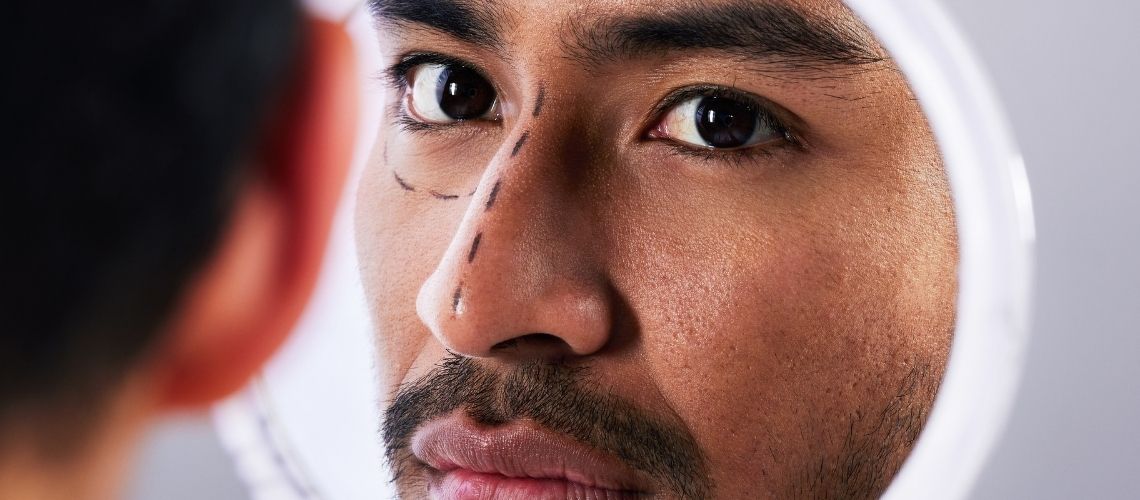
Rhinoplasty and sinusitis surgery can often be performed together, addressing both aesthetic concerns and functional breathing issues in one procedure.
Combining these surgeries reduces the need for multiple operations and shortens the overall recovery period for patients.
The sinus surgery component clears blockages, while rhinoplasty reshapes the nasal structure for improved appearance and function.
A thorough preoperative evaluation is essential to determine suitability for combined surgery, ensuring safety and optimal outcomes.
| Rhinoplasty and Sinusitis Surgery | Rhinoplasty and sinus surgery (commonly Functional Endoscopic Sinus Surgery, or FESS) can often be performed during the same operation when both cosmetic concerns and chronic sinus problems need to be addressed. |
| Who May Benefit? | Patients with chronic sinusitis that has not improved with medical treatment and who also wish to improve the appearance of their nose may be suitable candidates for a combined procedure. |
| Advantages of Combined Surgery | Performing both procedures together allows a single anesthesia session, one recovery period, and may reduce the overall time away from daily activities compared with separate surgeries. |
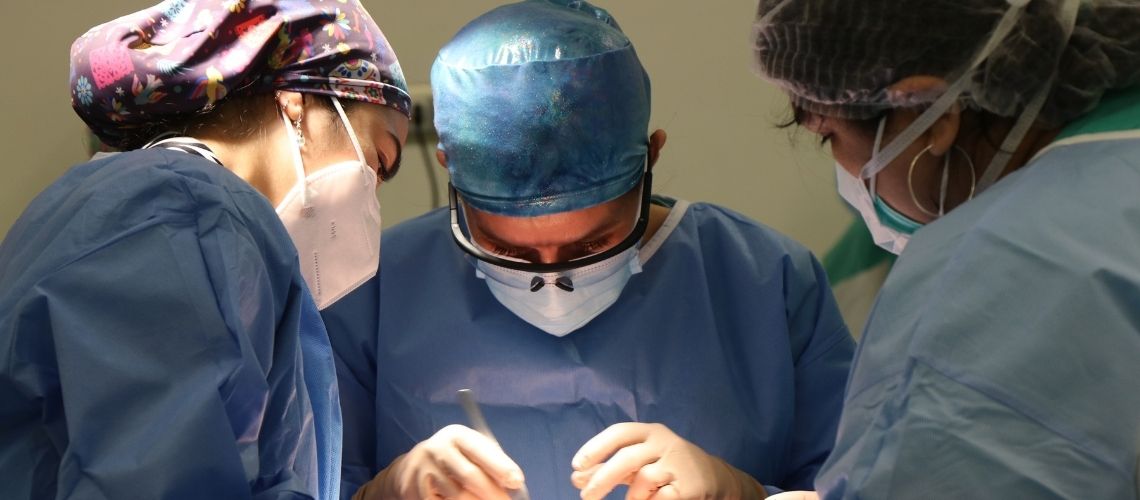
| Surgical Team | Depending on the patient’s needs, the operation may be performed by a facial plastic surgeon, an otolaryngologist (ENT specialist), or a collaborative surgical team with expertise in both rhinoplasty and sinus surgery. |
| Procedure Overview | Sinus surgery is typically performed using an endoscope inserted through the nostrils to improve sinus drainage, while rhinoplasty reshapes the external nose. The procedures are carefully coordinated to preserve both function and appearance. |
| Recovery | Recovery may involve temporary swelling, nasal congestion, and mild discomfort. Internal healing from sinus surgery and external healing from rhinoplasty occur simultaneously, with swelling gradually improving over several months. |
| Potential Benefits | In appropriately selected patients, combined surgery may improve nasal breathing, reduce recurrent sinus infections, enhance sinus drainage, and achieve desired cosmetic changes to the nose. |
| Possible Risks | As with any surgery, risks include bleeding, infection, persistent swelling, scarring, temporary or persistent nasal obstruction, changes in sensation, and the possibility of requiring revision surgery. Combined surgery does not eliminate these general surgical risks. |
| Who May Not Be a Candidate? | Patients with uncontrolled medical conditions, active nasal or sinus infections, or unrealistic expectations may need treatment or further evaluation before surgery is considered. |
| Long-Term Outlook | Most patients experience gradual improvement in both nasal function and appearance as healing progresses. Final rhinoplasty results may take up to 12 months or longer to fully develop, while sinus symptoms often improve earlier during recovery. |
Who Are Ideal Candidates for Combined Rhinoplasty and Sinus Surgery?
Combined Rhinoplasty and sinus surgery is an important treatment option for patients aiming to address both aesthetic and functional issues simultaneously. The ideal candidates for this approach are generally individuals who suffer from long-term sinus problems such as chronic sinusitis and who also have nasal deformities. Particularly, patients with a deviated septum, external nasal deviation, or nasal congestion can benefit significantly from this surgery.
However, it is important for candidates to have limited sinus disease. In patients with extensive sinus pathology, performing both procedures simultaneously can increase the risk of complications. Therefore, patients with localized sinus problems are more safely evaluated for combined surgery.
The patient’s overall health is also of great importance for surgical success. Individuals with good general health, realistic expectations about surgical outcomes, and who are psychologically prepared for the operation can experience this process more positively. Additionally, patients who have not previously undergone extensive nasal surgery are more suitable candidates in terms of preserving anatomical structures.
Finally, patients who wish to address both aesthetic and functional issues in a single operation and desire to shorten their total recovery time can gain significant benefits from this combined procedure.
How Is the Combined Procedure Performed?
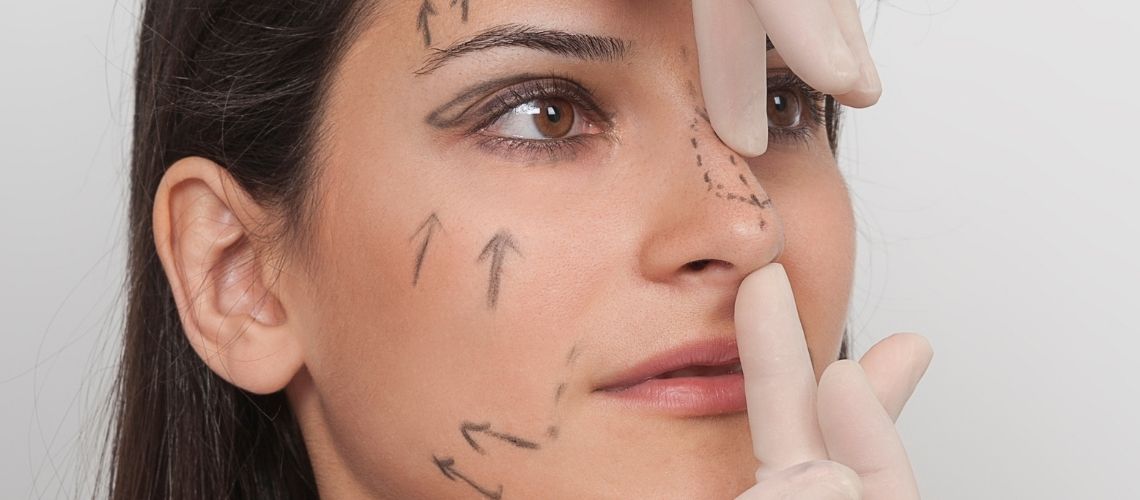
Rhinoplasty and sinus surgery performed together require meticulous planning and surgical execution aimed at achieving both aesthetic and functional goals. This procedure begins with a detailed evaluation. The patient’s medical history is taken, a physical examination is performed, and if necessary, imaging methods such as CT scans are used to examine sinus pathology and nasal anatomy. This process allows for the determination of surgical goals and analysis of individual needs.
Surgery typically begins with functional endoscopic sinus surgery (ESS). In this stage, the nasal sinuses are visualized endoscopically, and polyps or inflammatory tissues causing blockages are removed. This step improves sinus drainage and resolves the patient’s breathing problems. Rhinoplasty is then performed. In this process, either open or closed techniques are used for nasal aesthetics. Structural issues such as the nasal bridge, tip structure, and septal deformities are corrected.
Coordinated attention by the surgeon during both procedures is of critical importance. Septal cartilage used during Rhinoplasty can be utilized in harmony with sinus surgery for grafting. This approach helps optimize both aesthetic and functional outcomes.
Postoperatively, nasal packs and medications such as corticosteroids are used to support healing.
How Is the Recovery Process After Combined Rhinoplasty and Sinus Surgery?
Recovery after combined Rhinoplasty and sinus surgery requires a multidisciplinary approach as aesthetic and functional goals are addressed simultaneously. The first week is a critical period during which nasal packs and splints help stabilize the nasal structure and minimize bleeding. Swelling and bruising, especially around the eyes, can be noticeable, but these effects can be controlled with cold compresses and by keeping the head elevated. Postoperative pain is generally mild to moderate and can be effectively managed with prescribed medications.
Between the second and fourth weeks, issues such as nasal congestion may occur due to internal swelling and crusting. Saline sprays help moisturize the nasal passages, providing relief and speeding up recovery. Avoiding physical activities during this period is important to protect the nasal structure. If there are external stitches, they are usually removed within the first week, and healing is closely monitored during follow-up appointments.
Starting from the fifth week, most of the swelling subsides, though minimal swelling at the nasal tip can persist for a few more months. It can take up to a year for the final results to become apparent. Individual factors and adherence to the surgeon’s recommendations play a significant role in achieving successful outcomes.
Do the Risks Increase by Combining Rhinoplasty and Sinus Surgery?
Rhinoplasty and functional endoscopic sinus surgery (FESS) form an effective surgical combination that brings together aesthetic and functional benefits. However, performing these procedures simultaneously can increase the complexity of the surgery and requires careful consideration of certain risks.
Although prolonging the surgery time may raise theoretical concerns such as infection risk, studies show that these risks can be minimized through good surgical planning and an experienced team. For example, postoperative infection rates have been reported to be effectively controlled with proper sterilization and perioperative antibiotic use.
Complications such as synechia (scar tissue adhesion) encountered in sinus surgery require careful handling of the nasal structures during Rhinoplasty. Protective methods during surgery, for instance placing Silastic sheets, are crucial in reducing such risks. Additionally, proper patient selection is critical. In patients with active infection or severe sinusitis, combined surgery should be postponed, and the infection should be treated first.
The success rate largely depends on the surgeon’s expertise in both areas. In the hands of an experienced surgeon, combined surgery stands out as both a safe and effective option.
How to Choose the Right Surgeon for Combined Rhinoplasty and Sinus Surgery?
Complex surgical procedures like combined Rhinoplasty and sinus surgery require a specialist to achieve satisfactory results both aesthetically and functionally. When choosing a surgeon, first ensure they have a specialty certification in otolaryngology (ENT) or plastic surgery. Having specific training in sinus surgery and Rhinoplasty indicates the ability to perform these procedures safely.
Experience is also of great importance. Surgeons who have extensive experience with such combined operations generally offer better outcomes. Before-and-after images of previous successful surgeries and patient reviews can help you assess the surgeon’s level of expertise. Additionally, having the procedure in an accredited medical facility guarantees that safety standards are met.
Effective communication skills are also critical for understanding a surgeon’s qualifications. The surgeon should provide transparent information about the procedure’s risks, benefits, and possible outcomes. A surgeon who listens to the patient’s concerns, presents a comprehensive surgical plan, and details the postoperative care process makes the experience more reliable and comfortable.
Frequently Asked Questions
Can rhinoplasty and sinusitis surgery be performed together and who is a suitable candidate?
Can rhinoplasty and sinusitis surgery be performed together to improve both breathing and appearance?
Can rhinoplasty and sinusitis surgery be performed together and what are the benefits of combining them?
Can rhinoplasty and sinusitis surgery be performed together if chronic sinus infections are present?
Can rhinoplasty and sinusitis surgery be performed together and does recovery take longer?
Can rhinoplasty and sinusitis surgery be performed together and what surgical techniques are used?
Can rhinoplasty and sinusitis surgery be performed together and are there additional risks?
Can rhinoplasty and sinusitis surgery be performed together if a deviated septum is also present?
Can rhinoplasty and sinusitis surgery be performed together and when can normal activities resume?
Can rhinoplasty and sinusitis surgery be performed together and what should patients discuss before surgery?

Born in 1975 in Kardzhali, Op. Dr. Alev Camcıoğlu completed his primary and secondary education at Saint Michel French High School and graduated from Kocaeli University Faculty of Medicine in 2001. He completed his specialty training in Otorhinolaryngology and Head & Neck Surgery at the same university, earning the title of ENT specialist in 2008. After his compulsory service and military duty, he enhanced his clinical experience at Istanbul Hospital and Nişantaşı Hospitals.
Since 2016, he has been providing aesthetic and functional nasal surgery services at his private clinic in Istanbul. He specializes particularly in rhinoplasty, revision rhinoplasty, piezo (ultrasonic) rhinoplasty, tipplasty, and septorhinoplasty. His surgical planning combines natural appearance, functional balance, and facial harmony.
Dr. Camcıoğlu carefully analyzes each patient’s facial proportions, skin structure, and breathing functions to perform natural, functional, and aesthetically balanced nasal surgeries. He prefers minimally invasive techniques using modern piezo technology. As a member of the Turkish ENT–HNS Society, Turkish Rhinology Society and the European Rhinologic Society (ERS), Dr. Alev Camcıoğlu is recognized as a trusted name in rhinoplasty in Türkiye thanks to his scientific and patient-centered approach.