Deutsch
 Türkçe

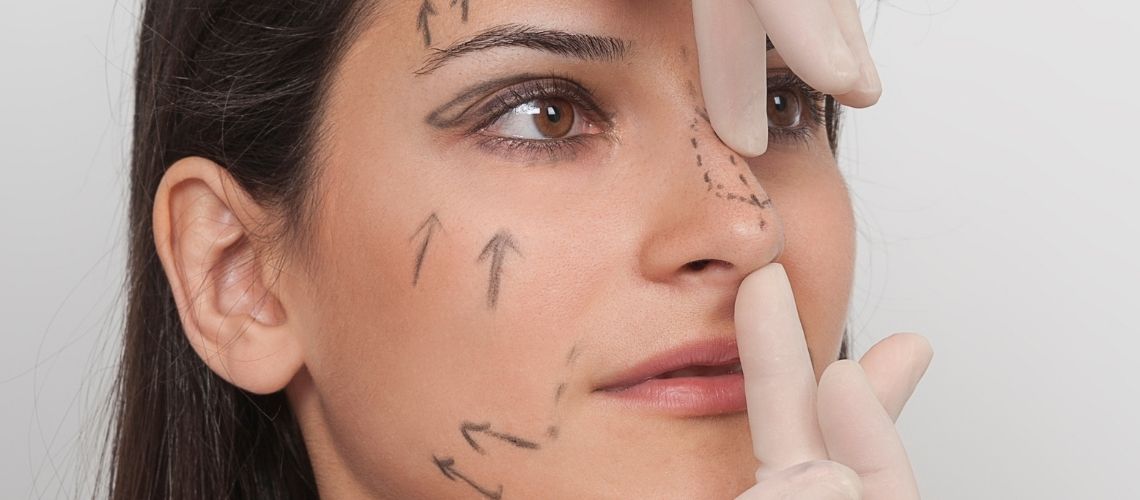
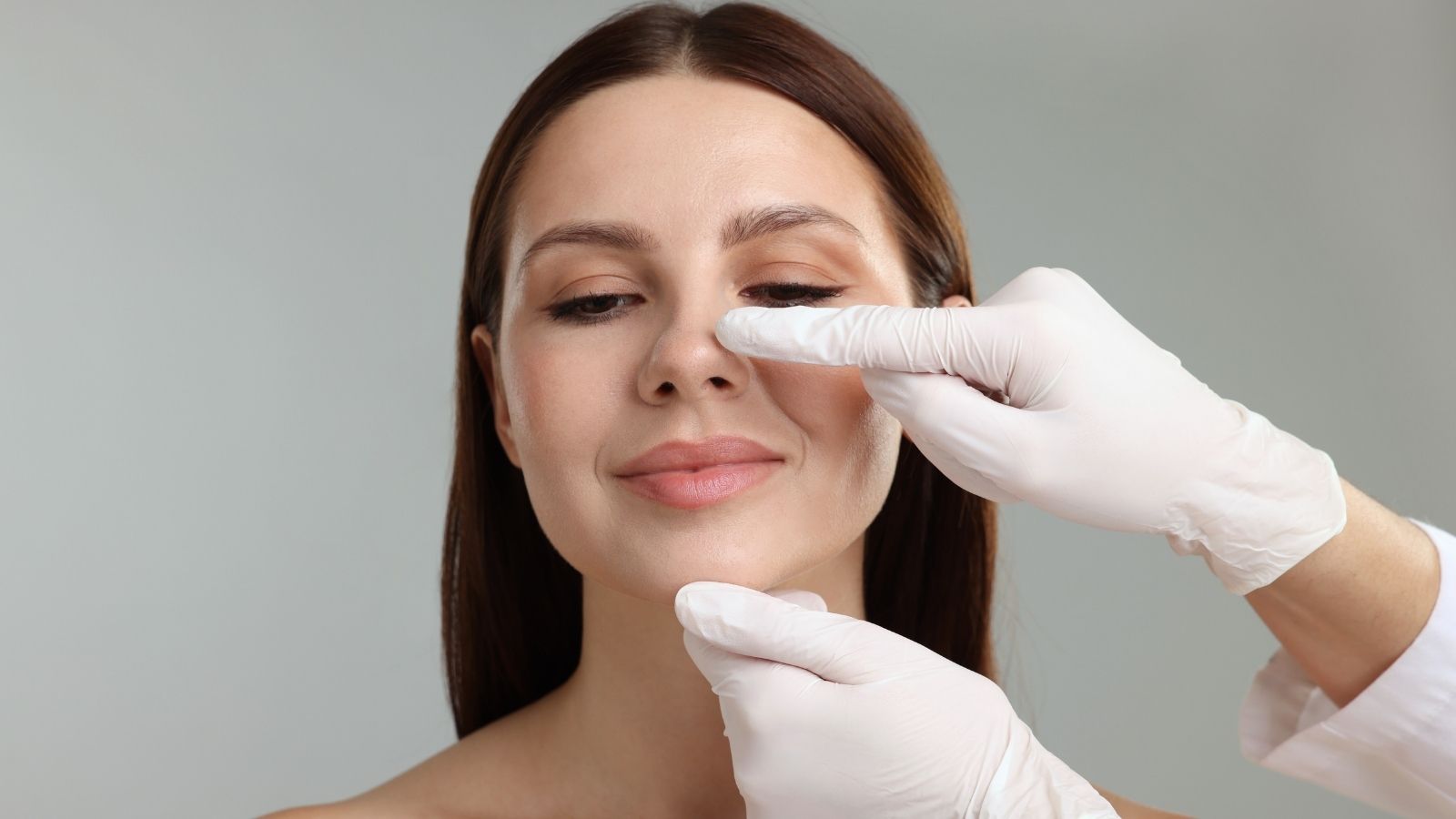
Before rhinoplasty, patients should carefully evaluate their motivations and set realistic expectations. Understanding that results are influenced by anatomy, skin type, and healing response is crucial.
Medical evaluation ensures that there are no contraindications such as uncontrolled chronic diseases, blood clotting disorders, or active infections. These can significantly affect surgical safety.
Choosing an experienced and specialized surgeon is one of the most important factors for success. Reviewing before-and-after results and discussing potential risks helps build trust.
Patients should stop smoking and avoid certain medications, such as blood thinners, before surgery. These precautions minimize complications and promote smooth healing.
| Purpose of Surgery | Understand whether the goal is cosmetic improvement, functional correction, or both. |
| Candidate Suitability | Candidates should be in good general health, have realistic expectations, and ideally have completed facial growth. |
| Medical Evaluation | A comprehensive medical assessment, including previous nasal injuries, surgeries, allergies, medications, and underlying health conditions, is essential. |
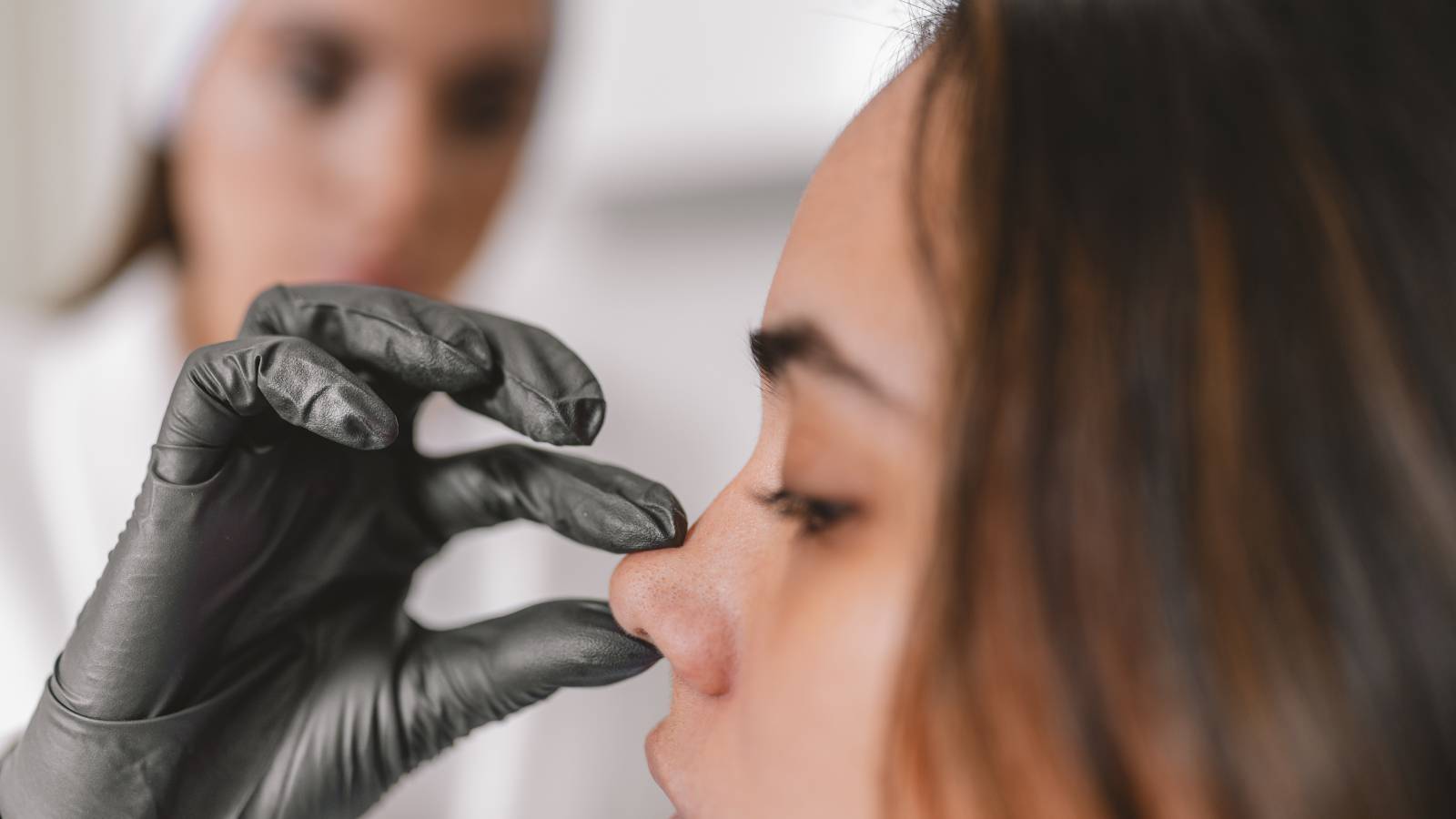
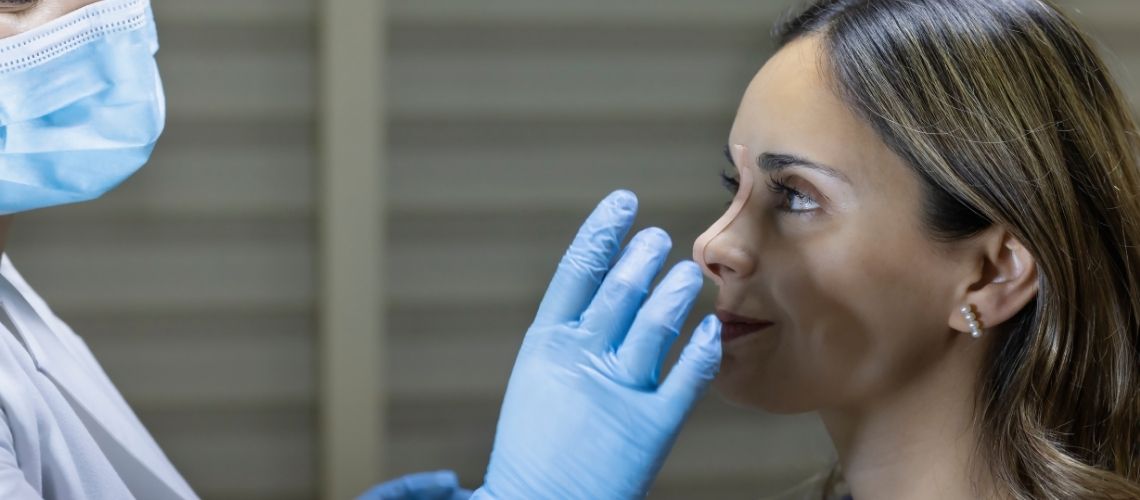
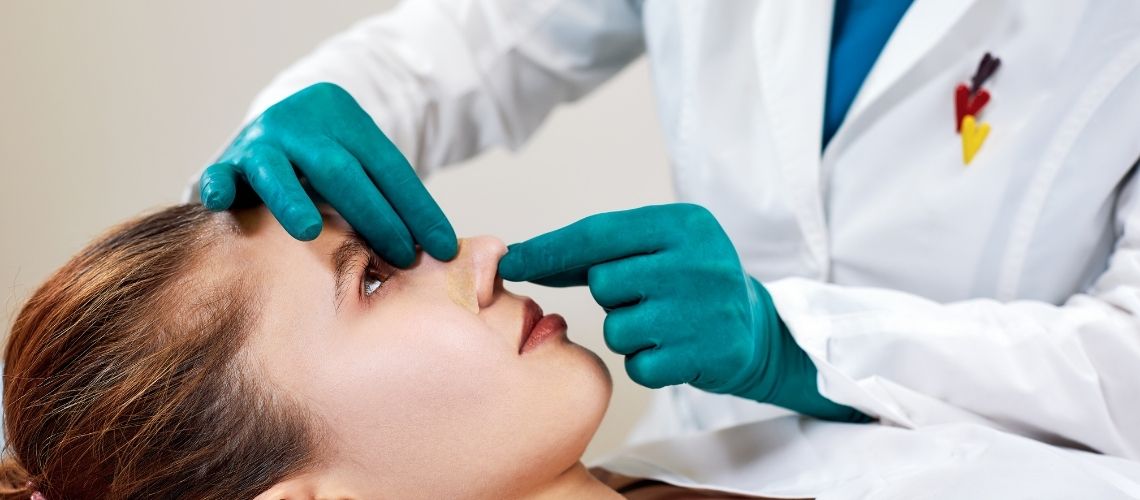
| Nasal Examination | A detailed evaluation of the nasal structure, skin thickness, septum, and airway helps determine the most appropriate surgical plan. |
| Expectations | Patients should understand that rhinoplasty aims to improve facial harmony rather than create a “perfect” nose. |
| Smoking | Smoking and nicotine products should be discontinued before and after surgery as advised, since they may impair healing and increase complication risks. |
| Medications | Certain medications and supplements that increase bleeding risk may need to be temporarily discontinued under medical guidance. |
| Photographic Planning | Standardized preoperative photographs are typically taken to assist with surgical planning and postoperative comparison. |
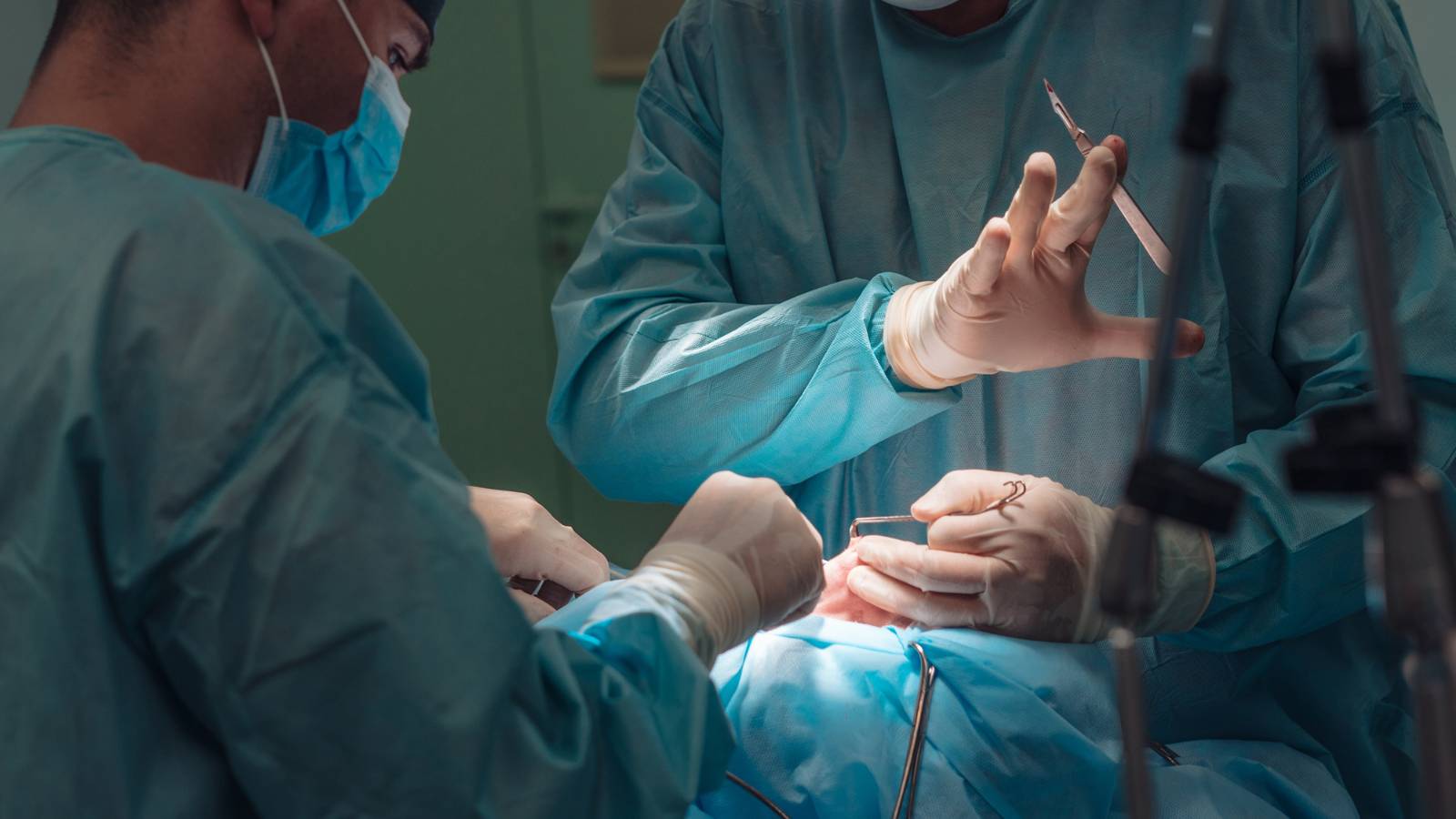
| Surgical Technique | The surgeon may recommend an open or closed rhinoplasty approach depending on the patient’s anatomy and surgical goals. |
| Recovery Time | Initial recovery usually takes 1–2 weeks, while swelling gradually improves over several months. Final results often require 6–12 months or longer to fully develop. |
| Swelling Expectations | Nasal swelling, particularly at the tip, is normal and may persist for an extended period before the final shape becomes visible. |
| Breathing Changes | Temporary nasal congestion and difficulty breathing through the nose are common during the early healing phase. |
| Activity Restrictions | Patients should avoid strenuous exercise, heavy lifting, contact sports, and activities that may injure the nose during recovery. |
| Eyewear | Wearing glasses directly on the nose may need to be avoided for several weeks, depending on the surgical technique used. |
| Possible Risks | Potential risks include bleeding, infection, asymmetry, breathing difficulties, scarring, prolonged swelling, numbness, and the possibility of revision surgery. |
| Revision Possibility | Although many patients achieve satisfactory outcomes after one procedure, some cases may require revision rhinoplasty for functional or aesthetic refinement. |
| Emotional Readiness | Patients should be prepared for gradual healing and understand that temporary swelling can affect appearance before the final result is achieved. |
| Postoperative Follow-Up | Attending all scheduled follow-up appointments is important to monitor healing and address any concerns promptly. |
| Choosing the Right Timing | Surgery should be scheduled when adequate time is available for recovery and when significant physical activities or important social events can be postponed if necessary. |
| When to Contact the Medical Team | Seek medical advice promptly if excessive bleeding, severe pain, high fever, increasing redness, significant swelling, or persistent breathing problems develop after surgery. |
Why Is It Important to Set Realistic Goals?
Many people set out thinking that after Rhinoplasty, their nose will be “perfect.” However, the concept of “perfect” is highly subjective, and rather than completely changing the face, the goal should be to achieve a more harmonious appearance. The ideal approach is to obtain a natural-looking result that aligns with the patient’s own facial features and skin characteristics.
For example, some individuals are bothered by the hump on the bridge of their nose. Others may want the nasal tip to be slightly more lifted or thinned. However, factors such as the person’s nasal structure, the thickness of the cartilage, and the quality of the skin will determine what is possible. Instead of expecting a “brand-new” face after surgery, seeing it as an enhancement that complements existing facial features is much healthier.
It’s also important to consider not just the aesthetic side of the nose but its function as well. Remember that the nose, like a conductor, manages both facial harmony and breathing. A nose that is overly narrowed or excessively lifted can lead to breathing problems down the line. Therefore, clarifying both aesthetic and functional goals prior to surgery is crucial.
How Can You Be Sure of Your Surgeon’s Qualifications?
Rhinoplasty is generally considered a safe procedure. However, the experience of the doctor performing the operation directly affects the outcome. One might ask, “How can I understand this experience?” First, it’s important to check whether the surgeon is a plastic surgeon or an ear, nose, and throat (ENT) specialist who has completed the necessary specialty training. Additionally, certain official certifications and membership in professional organizations indicate that the doctor meets certain standards.
Merely looking at a diploma is not sufficient; it’s also essential to consider how much practical experience the surgeon has in Rhinoplasty, what kinds of nasal issues they have dealt with, and the postoperative results they’ve achieved. Reviewing before-and-after photos of previous surgeries can offer insight into what kind of outcomes the surgeon can produce in cases similar to yours. Of course, every face is unique, so you shouldn’t expect identical results, but these photos are useful for understanding the overall quality of the surgeon’s work.
If possible, learning about other patients’ experiences can also be helpful. It’s not only the surgeon’s skill during the operation that matters, but also how they communicate with the patient and oversee the follow-up. Even though the surgery itself may be over in a day, recovery can continue for months or even over a year. Thus, it’s reassuring for patients to know that their doctor will closely monitor every stage of the process.
How Should You Prepare Before Rhinoplasty?
Preoperative preparation for Rhinoplasty is at least as important as the surgery itself for achieving a good result. The patient is expected to be ready both physically and mentally for the operation. Key points to consider include:
- Health Status and Examination: Previous surgeries, existing conditions, and any medications you are taking must be shared with your doctor. If you have current breathing issues, nasal congestion, or allergies, these should be mentioned as well.
- Blood Tests and Necessary Examinations: Usually, some routine blood tests and possibly a detailed imaging of the inside of the nose are requested before the operation. In particular, details such as whether there is a septum deviation (curvature of the nasal septum) or enlarged turbinates, which can cause breathing difficulties, are evaluated at this stage.
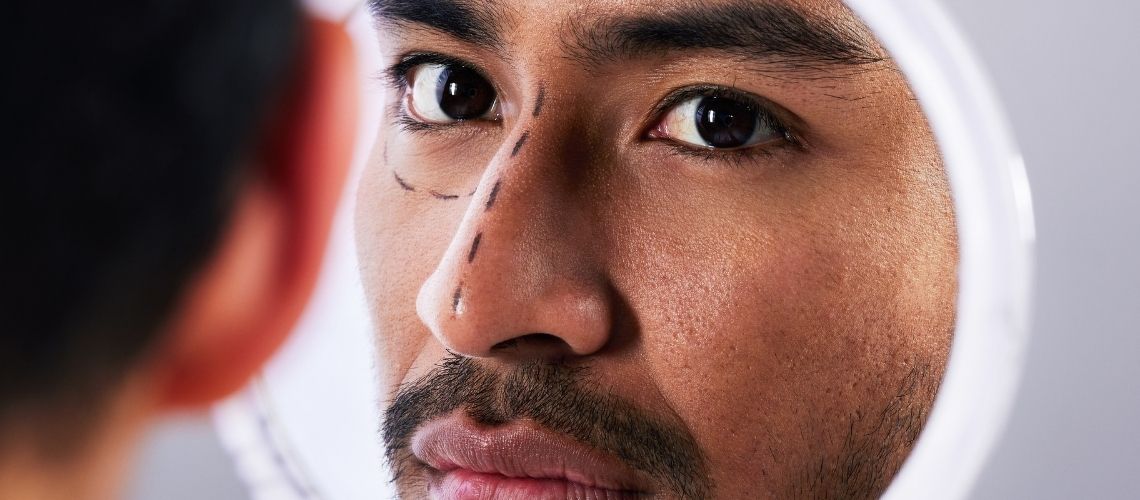
- Psychological Preparation and Expectations: It’s important to clarify your expectations from the surgery, to talk face-to-face with the doctor saying “I want my nose to look like this,” but also to heed the doctor’s views and experience. Very exaggerated or unrealistic expectations can lead to disappointment later.
- Smoking and Alcohol Habits: Smoking and alcohol negatively affect wound healing. Therefore, reducing these habits as much as possible before surgery—ideally quitting—greatly facilitates recovery.
- Nutrition and Rest: Adequate intake of protein, vitamins, and minerals helps speed up recovery after the operation. Getting enough rest in the preoperative period is also beneficial for stress management.
- How Realistic Are Your Expectations?
Nowadays, “perfect facial features” or filtered photos on social media can raise expectations regarding Rhinoplasty. However, many of these images involve artificial effects. For a realistic outcome, the nasal structure and the overall harmony of your face should be taken into consideration. Although there is a certain “Hollywood nose” template that can be applied in some surgeries, the result may not look equally natural on every face.
Realistic expectations focus on achieving a nose that harmonizes better with one’s facial features rather than perfect symmetry. At the same time, surgery is not a magic wand. Even if the shape irregularity in your nose is corrected, remember that confidence and happiness are influenced by many factors. Sometimes, after nasal surgery, a person may feel more comfortable in social settings, smile more, and feel more at ease when taking photos. However, expecting a miraculous transformation that solves all problems is not realistic.
Which Rhinoplasty Method Is Right for You?
There are essentially two approaches in nose surgery: Open Rhinoplasty and Closed Rhinoplasty. In the open technique, a small incision is made in the columella, the area between the nostrils, allowing the surgeon to see the nasal structures clearly during the procedure. This offers greater control, especially in complex deformities or when significant changes are required. A small scar may remain, but it is usually difficult to notice once healed.
In the closed technique, all incisions remain inside the nostrils. There is no visible external scar, and postoperative swelling may be slightly less than with the open technique. However, the surgeon’s field of view can be somewhat limited when more extensive modifications are needed. In some cases, newer technologies such as ultrasonic (piezo) methods can be used. With this method, it is possible to intervene on the bone more precisely, reducing tissue trauma.
Which approach is chosen depends on the current shape of the nose, the extent of the correction needed, and the surgeon’s experience. In both techniques, the goal is to improve the nose aesthetically and functionally.
How Does Rhinoplasty Affect Your Breathing?
When thinking about nose surgery, most people focus solely on appearance. However, how it affects breathing is also an important issue. If there is an existing deviation (curvature of the nasal septum), enlarged turbinates, or other issues with the nasal tissue, correcting these during Rhinoplasty can significantly improve breathing. Thus, the surgery can provide both aesthetic and functional benefits.
On the other hand, an overly narrowed or improperly operated nose can cause breathing difficulties. Factors such as unnecessary or excessive narrowing of the nasal valve areas or insufficient cartilage support can restrict airflow. For this reason, when planning the surgery, the surgeon must always consider the balance of “making the nose look better while maintaining airflow.”
In short, a well-planned nasal surgery can correct issues that hinder breathing while also improving the external appearance. If there is difficulty breathing after surgery, it’s very important to have regular check-ups to determine whether it is caused by early swelling or a structural problem.
How Should You Prepare Psychologically and Emotionally?
After nose surgery, many people experience positive emotions, such as increased self-confidence or feeling happier. However, the patient’s psychological state and expectations are extremely important in this process. Those dealing with depression, anxiety disorders, or body dysmorphic disorder may have lower satisfaction rates post-surgery. If the expectation is that changing the nose will resolve all psychological issues, it may not yield the desired outcome.
Therefore, it’s recommended that the patient’s emotional condition also be evaluated before surgery. If necessary, seeking psychological support can help alleviate anxiety stemming from chronic stress or other causes. Moreover, when surgery is performed at a very young age, the individual may not yet be fully accustomed to their own facial features. Factors such as maturity level, expectations, and psychological development play an important role in the decision.
It should be remembered that nasal surgery can ultimately improve a person’s life, but it may not eliminate every personal or social problem. The key to a successful outcome is knowing yourself well, understanding the benefits and limitations of the surgery, and being patient if needed.
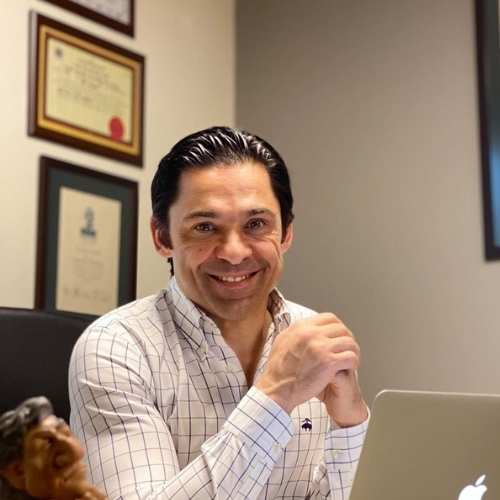
Born in 1975 in Kardzhali, Op. Dr. Alev Camcıoğlu completed his primary and secondary education at Saint Michel French High School and graduated from Kocaeli University Faculty of Medicine in 2001. He completed his specialty training in Otorhinolaryngology and Head & Neck Surgery at the same university, earning the title of ENT specialist in 2008. After his compulsory service and military duty, he enhanced his clinical experience at Istanbul Hospital and Nişantaşı Hospitals.
Since 2016, he has been providing aesthetic and functional nasal surgery services at his private clinic in Istanbul. He specializes particularly in rhinoplasty, revision rhinoplasty, piezo (ultrasonic) rhinoplasty, tipplasty, and septorhinoplasty. His surgical planning combines natural appearance, functional balance, and facial harmony.
Dr. Camcıoğlu carefully analyzes each patient’s facial proportions, skin structure, and breathing functions to perform natural, functional, and aesthetically balanced nasal surgeries. He prefers minimally invasive techniques using modern piezo technology. As a member of the Turkish ENT–HNS Society, Turkish Rhinology Society and the European Rhinologic Society (ERS), Dr. Alev Camcıoğlu is recognized as a trusted name in rhinoplasty in Türkiye thanks to his scientific and patient-centered approach.