Deutsch
 Türkçe

After rhinoplasty, patients should avoid strenuous exercise, heavy lifting, and contact sports for several weeks, as these can increase the risk of bleeding or trauma. Sun exposure should also be limited to prevent skin discoloration.
Wearing glasses directly on the nose is discouraged in the early healing phase, as pressure can deform delicate structures. Contact lenses or special supports may be used as alternatives until full recovery.
Patients should avoid smoking and alcohol, since both impair wound healing and prolong swelling. A healthy lifestyle accelerates recovery and supports long-term results.
Sleeping on the stomach or side is not recommended, as it can put unnecessary pressure on the nose. Elevating the head while resting helps reduce swelling and promotes better healing.
| Do Not Blow Your Nose | Avoid blowing your nose for the period recommended by your surgeon, as it can increase pressure inside the nose and interfere with healing. |
| Do Not Pick or Insert Objects Into the Nose | Avoid inserting fingers, cotton swabs, or other objects into the nostrils, as this may damage healing tissues and increase the risk of infection or bleeding. |
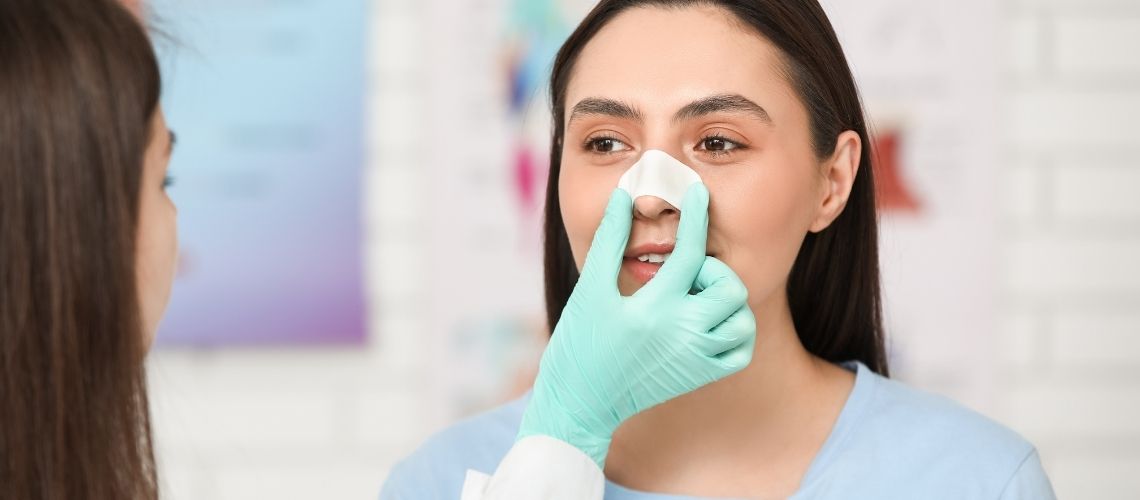
| Do Not Remove the Splint or Dressings Yourself | Leave the nasal splint, tapes, and internal packing (if present) in place until they are removed by your healthcare provider. |
| Do Not Wear Glasses Directly on the Nose | Avoid placing eyeglasses or sunglasses on the nasal bridge until your surgeon confirms that it is safe, as pressure may affect the healing nasal bones and cartilage. |
| Do Not Participate in Strenuous Exercise | Avoid heavy lifting, vigorous exercise, contact sports, and activities that significantly raise blood pressure during the early recovery period. |
| Do Not Smoke or Use Nicotine Products | Smoking, vaping, and other nicotine products can reduce blood flow, delay healing, and increase the risk of complications. |
| Do Not Drink Alcohol During Early Recovery | Alcohol may increase swelling, interfere with medications, and contribute to dehydration during the initial healing phase. |
| Do Not Sleep on Your Side or Stomach | Sleep with your head elevated and avoid putting pressure on the nose to minimize swelling and protect the surgical result. |
| Do Not Expose the Nose to Trauma | Avoid situations where the nose could be bumped or injured, including crowded environments, rough play, and contact sports. |
| Do Not Ignore Signs of Infection or Excessive Bleeding | Contact your healthcare provider if you experience increasing redness, severe pain, persistent heavy bleeding, fever, or foul-smelling drainage. |
| Do Not Take Medications Without Approval | Avoid aspirin, certain nonsteroidal anti-inflammatory drugs (NSAIDs), herbal supplements, or other medications that may increase bleeding unless approved by your surgeon. |
| Do Not Skip Follow-Up Appointments | Attend all scheduled postoperative visits so your surgeon can monitor healing and address any concerns promptly. |
| Do Not Wear Tight Clothing Over Your Head | Choose clothing that buttons or zips in the front to avoid accidentally bumping the nose while dressing. |
| Do Not Spend Excessive Time in Direct Sunlight | Protect the healing nose from prolonged sun exposure, as it may worsen swelling and increase the risk of skin discoloration. |
| Do Not Eat Very Salty Foods Excessively | Excessive salt intake may contribute to fluid retention and prolonged facial swelling during recovery. |
| Do Not Wear Heavy Makeup on or Around the Nose Until Approved | Avoid applying makeup directly over healing incisions or the nasal area until your surgeon confirms it is safe. |
| Do Not Resume Normal Activities Too Quickly | Return to work, exercise, and other daily activities only according to your surgeon’s recommendations, as healing continues for several weeks to months after surgery. |
Does Intense Exercise Hinder Recovery?
Post-surgery, the body needs a calm tempo more than ever. Because surgery doesn’t just affect the target area (the nose); it places the body in a general defensive mode. High-intensity exercises like running, weightlifting, or vigorous dancing elevate heart rate and blood pressure, thereby increasing blood flow to the nasal tissues. While at first glance one might think, “Increased circulation supports healing,” it can actually create unrealistic healing expectations. A more controlled blood flow is needed to reduce swelling and bruising in the nose area.
Overly strenuous activities unnecessarily stress the blood vessels inside or around the nose and increase the risk of bleeding. Moreover, a slight bump, elbow contact, or loss of balance during such movement can lead to impacts on the nose area. This newly shaping, delicate structure can be distorted by even the smallest nudge. Hence, adopting a “few weeks of patience for many years of happily looking in the mirror” mindset and avoiding intense exercise in the early stages of recovery yields healthier results.
Is It Harmful to Try to Correct the Nose by Touching or Pressing It?
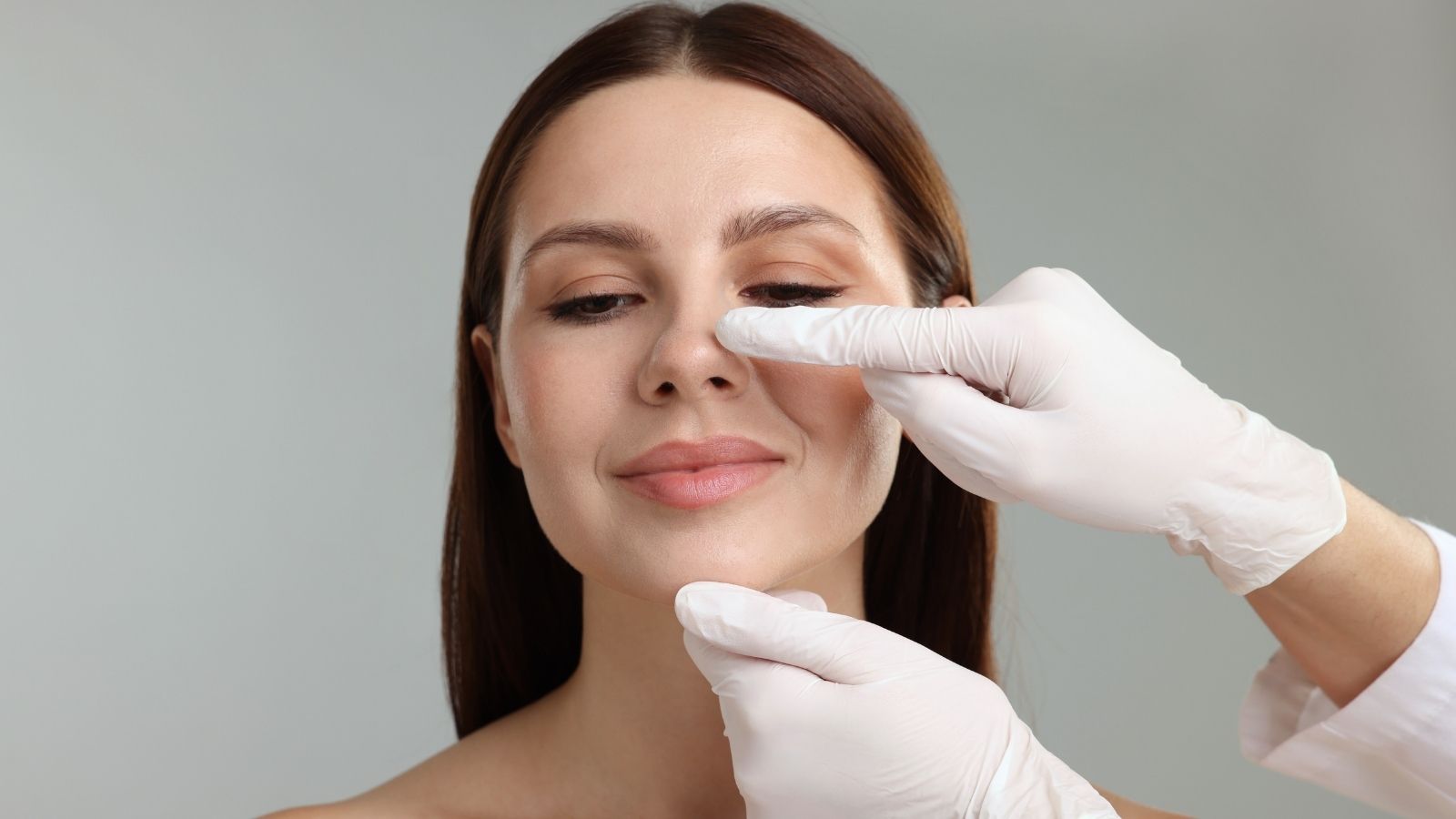
Some people think they can interfere with the nose’s healing process through minor “adjustments” on their own. For example, pressing on the nose thinking “Did my cartilage shift?” or pushing it forward and backward to make it “settle into shape” can be harmful to the operated tissues. That’s because it takes time for the bone and cartilage structures to fully stabilize.
It’s similar to a building under construction whose scaffolding is still in place. If you push or force its columns and beams, you disrupt the building’s balance. The nose is a “structure” that deserves a similar perspective. Even touching it can sometimes increase swelling, raise the risk of infection, or cause unwanted shifts in the new nasal framework. In short, letting the nose heal on its own and trusting the natural course of recovery is more sensible.
How Should You Clean Your Nose Post-Surgery? Is Blowing It Harmful?
One of the biggest questions for many who have had Rhinoplasty is how to clean their nose. A slight feeling of congestion in the first few days is quite normal. However, forcefully blowing or exhaling through the nose puts pressure on the nasal tissues and hampers healing in the suture areas.
After surgery, the internal nasal tissues are already dealing with edema (swelling). Forceful blowing can worsen this swelling. In addition, the sudden pressure changes that can spread to the sinuses or the middle ear may carry unwanted microorganisms. To illustrate simply: imagine you have a delicate balloon in your hand; if you try to inflate it too quickly and powerfully, the balloon might burst. Here, that balloon is your nose tissue trying to heal. Using gentle and controlled cleaning methods—such as saline sprays or softly dabbing with tissues—is a safer approach.
Why Do Sun Rays Negatively Affect Recovery?
Although the sun is a great source of vitamin D, it is not so friendly to surgical skin. After Rhinoplasty, the skin is busy trying to get rid of bruising and swelling while helping new tissues recover. The ultraviolet (UV) rays that come with sunlight can disrupt this balance.
Exposing a surgical scar or sensitive area to intense sunlight can especially lead to hyperpigmentation (darkening of the skin). Just as fruit darkens when left in the sun too long, the skin on the nose may darken in an unwanted manner. Moreover, the risk of sunburn creates an added demand on the nose’s already vulnerable defense mechanisms. Staying in the shade for a short while or using hats and sunglasses to protect yourself can ensure a smoother and healthier appearance in the long run.
How Do Smoking and Alcohol Slow Down Recovery?
After surgery, the body needs the cleanest, most oxygen-rich environment possible. The nicotine in cigarettes and certain properties of alcohol can compromise blood circulation, making it harder for tissues to receive the oxygen and nutrients they need. Just as flowers are dependent on sunlight and water, recovering nasal tissues also rely on these resources.
Smoking causes blood vessels to constrict, which delays wound healing and prolongs the time it takes for sutures to fuse properly. Alcohol, on the other hand, can lead to dehydration and weaken the immune system, which increases swelling and the risk of infection. Both habits undermine the strong blood flow and robust immune response the nose needs post-surgery.
Does Wearing Glasses Really Affect the Nose?
It’s often assumed “Oh, glasses don’t really weigh that much!” However, even a small pair of glasses can exert more pressure than you’d imagine after Rhinoplasty. The bone and cartilage of the nose need time to fully set. Constant pressure on the nasal bridge can disturb this process.
When your arm is broken, you protect it in a cast and avoid any impact until the bone has healed. The same logic applies to the nose; if glasses continuously press on a newly healing bone, it increases the risk of possible deviation or shape irregularities. There are interim supports or bandage methods you can use to prevent glasses from pressing the nose directly. However, whether such methods are safe and suitable depends on the stage of your recovery.
What Should You Eat After Surgery, and What Should You Avoid?
Diet choices matter not only for weight control but also for how quickly tissues repair after surgery. For instance, too much salt intake can cause fluid retention, leading to prolonged swelling. As a result, edema around the nose may take a long time to subside, causing discomfort both visually and physically.
A diet high in protein, fresh vegetables, and fruits supports the body’s repair speed. Protein functions much like construction materials, helping repair the tissues damaged by surgery. In addition, supplements like vitamin C encourage collagen production, boosting skin elasticity. In practical terms, “Steering clear—especially during this period—of sugary and fast-food items we already know are harmful is wise.” This type of food offers low nutritional value and can delay recovery.
Is Sleep Position Important After Rhinoplasty?
Sleep is one of the best friends in the postoperative phase. During deep and quality sleep, the body repairs itself while the brain recovers from daily fatigue. However, the wrong sleeping position after Rhinoplasty can unintentionally put pressure on the surgical area.
Sleeping on your side or facedown can adversely affect the shape of the nose. Like dough pressed too hard against a pillow, the tissue has not yet fully regained its elasticity and shape-retaining ability. When subjected to pressure, unexpected shape changes can occur. Using a supportive pillow that keeps the head slightly elevated and preferably sleeping on your back not only reduces edema but also helps keep the nose free and protected.
How Can We Protect the Nose from Bumps?
After surgery, think of having a “red alert” around your nose. Even a minor knock—regardless of intensity—poses a risk to tissues that are still healing. A bump could happen on a crowded bus, while playing with active children, or dancing at a packed party.
Simple precautions can prevent unexpected issues. Avoid sudden movements when picking things up at home, opt for calmer activities instead of contact-heavy sports, and give yourself a bit of personal space in social settings. Even if it’s only for a short time, remember that the nose needs “special protection” during this period.
Which Medications Should Be Avoided?
Certain medications can hinder the healing journey after Rhinoplasty. Pain relievers or anti-inflammatories with blood-thinning effects can increase bleeding risk in the surgical area. Some herbal supplements can have a similar effect. That’s why it’s essential to be cautious about the ingredients before taking any medication or supplement.
Likewise, some weight-loss or hormone-regulating medications can interact with anesthesia or slow down the digestive system. The main idea here is that the body is trying to regain its normal balance after surgery. The fewer external interferences, the smoother the recovery.
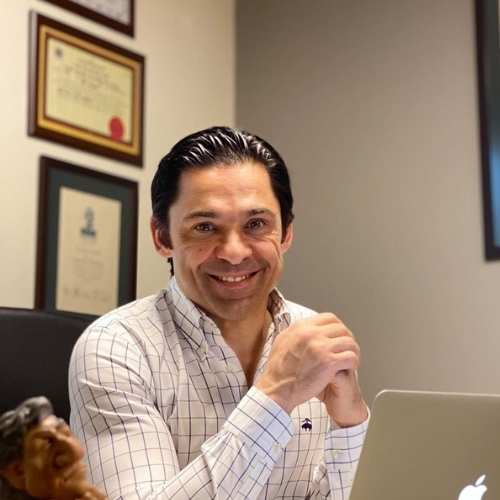
Born in 1975 in Kardzhali, Op. Dr. Alev Camcıoğlu completed his primary and secondary education at Saint Michel French High School and graduated from Kocaeli University Faculty of Medicine in 2001. He completed his specialty training in Otorhinolaryngology and Head & Neck Surgery at the same university, earning the title of ENT specialist in 2008. After his compulsory service and military duty, he enhanced his clinical experience at Istanbul Hospital and Nişantaşı Hospitals.
Since 2016, he has been providing aesthetic and functional nasal surgery services at his private clinic in Istanbul. He specializes particularly in rhinoplasty, revision rhinoplasty, piezo (ultrasonic) rhinoplasty, tipplasty, and septorhinoplasty. His surgical planning combines natural appearance, functional balance, and facial harmony.
Dr. Camcıoğlu carefully analyzes each patient’s facial proportions, skin structure, and breathing functions to perform natural, functional, and aesthetically balanced nasal surgeries. He prefers minimally invasive techniques using modern piezo technology. As a member of the Turkish ENT–HNS Society, Turkish Rhinology Society and the European Rhinologic Society (ERS), Dr. Alev Camcıoğlu is recognized as a trusted name in rhinoplasty in Türkiye thanks to his scientific and patient-centered approach.